

As a supplier of BOPP Acrylic Adhesive Tape, I often encounter questions from customers regarding its chemical resistance. This property is crucial, especially in industries where the tape may come into contact with various chemicals during storage, transportation, or usage. In this blog, I will delve into the details of whether BOPP Acrylic Adhesive Tape is resistant to chemicals and explore the factors that influence its chemical resistance.
Understanding BOPP Acrylic Adhesive Tape
BOPP (Biaxially Oriented Polypropylene) Acrylic Adhesive Tape is a popular choice for a wide range of applications, including packaging, sealing, and labeling. The BOPP film provides excellent mechanical properties such as high tensile strength, good clarity, and low moisture permeability. The acrylic adhesive offers strong adhesion to a variety of surfaces, including paper, cardboard, plastic, and metal.
BOPP Acrylic Adhesive Tape is known for its versatility and reliability. It is available in different widths, thicknesses, and colors to meet the diverse needs of customers. Some of our popular products include Single One Packaging BOPP Adhesive Packing Tape and Super Clear BOPP Adhesive Packing Tape, which are widely used in the packaging industry.
Chemical Resistance of BOPP Acrylic Adhesive Tape
The chemical resistance of BOPP Acrylic Adhesive Tape depends on several factors, including the type of chemicals it comes into contact with, the duration of exposure, and the environmental conditions.
Types of Chemicals
Acrylic adhesives generally have good resistance to a wide range of chemicals, including water, mild acids, and alkalis. However, their resistance to strong acids, strong alkalis, solvents, and certain organic compounds may vary.
- Water and Mild Chemicals: BOPP Acrylic Adhesive Tape has excellent resistance to water and mild chemicals. It can maintain its adhesion and integrity even when exposed to water for extended periods. This makes it suitable for applications where the tape may come into contact with moisture or mild cleaning agents.
- Strong Acids and Alkalis: Strong acids and alkalis can react with the acrylic adhesive and cause it to break down or lose its adhesion. The resistance of the tape to strong acids and alkalis depends on the concentration and temperature of the chemicals. In general, BOPP Acrylic Adhesive Tape is not recommended for applications where it will be exposed to strong acids or alkalis for long periods.
- Solvents and Organic Compounds: Solvents and certain organic compounds can dissolve or swell the acrylic adhesive, leading to a loss of adhesion. The resistance of the tape to solvents and organic compounds depends on the type and polarity of the chemicals. Some solvents, such as acetone and toluene, can quickly dissolve the acrylic adhesive, while others, such as ethanol and isopropyl alcohol, may have a less severe effect.
Duration of Exposure
The longer the BOPP Acrylic Adhesive Tape is exposed to chemicals, the greater the chance of damage. Even chemicals that the tape is normally resistant to can cause problems if the exposure time is too long. For example, a short-term exposure to a mild acid may not have any significant effect on the tape, but a long-term exposure could lead to a gradual degradation of the adhesive.
Environmental Conditions
The environmental conditions, such as temperature and humidity, can also affect the chemical resistance of BOPP Acrylic Adhesive Tape. High temperatures can accelerate the chemical reactions between the tape and the chemicals, while high humidity can increase the penetration of chemicals into the adhesive. Therefore, it is important to consider the environmental conditions when evaluating the chemical resistance of the tape.
Testing the Chemical Resistance of BOPP Acrylic Adhesive Tape
To determine the chemical resistance of BOPP Acrylic Adhesive Tape, it is necessary to conduct specific tests. These tests typically involve exposing the tape to different chemicals under controlled conditions and evaluating its performance.
- Immersion Test: In an immersion test, the tape is immersed in a chemical solution for a specified period of time. After the immersion, the tape is removed, dried, and evaluated for changes in adhesion, appearance, and physical properties.
- Spot Test: A spot test involves applying a small amount of the chemical to the surface of the tape and observing the reaction. This test can provide a quick indication of the tape's resistance to the chemical.
- Accelerated Aging Test: Accelerated aging tests are used to simulate long-term exposure to chemicals under accelerated conditions. These tests can help to predict the long-term performance of the tape in real-world applications.
Applications of BOPP Acrylic Adhesive Tape Based on Chemical Resistance
Based on its chemical resistance, BOPP Acrylic Adhesive Tape can be used in a variety of applications.
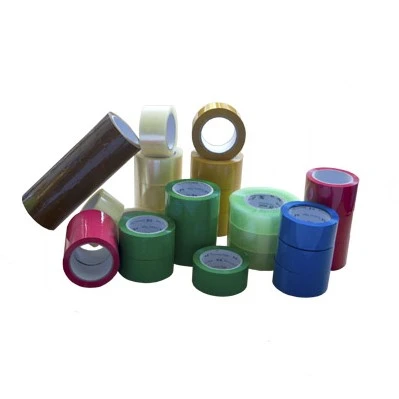
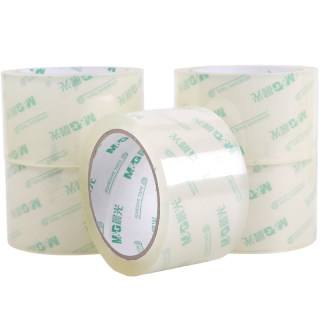
- Packaging Industry: In the packaging industry, BOPP Acrylic Adhesive Tape is commonly used for sealing boxes and packages. Its resistance to water and mild chemicals makes it suitable for protecting products during storage and transportation.
- Electronics Industry: In the electronics industry, BOPP Acrylic Adhesive Tape is used for insulation, masking, and labeling. Its resistance to moisture and mild solvents makes it suitable for use in electronic devices.
- Automotive Industry: In the automotive industry, BOPP Acrylic Adhesive Tape is used for interior and exterior applications. Its resistance to chemicals and environmental factors makes it suitable for use in car interiors, exteriors, and engine compartments.
Conclusion
In conclusion, BOPP Acrylic Adhesive Tape has good resistance to water and mild chemicals, but its resistance to strong acids, alkalis, solvents, and certain organic compounds may vary. The chemical resistance of the tape depends on several factors, including the type of chemicals, the duration of exposure, and the environmental conditions. To ensure the proper use of the tape, it is important to conduct specific tests and evaluate its performance under the actual application conditions.
If you are interested in our BOPP Acrylic Adhesive Tape products or have any questions about their chemical resistance, please feel free to contact us. We are more than happy to provide you with detailed information and assist you in finding the right tape for your specific needs.
References
- ASTM International. (20XX). Standard test methods for evaluating the chemical resistance of adhesives.
- Technical literature provided by adhesive manufacturers.
- Industry research reports on the performance of BOPP Acrylic Adhesive Tape.