

Hey there! As a supplier of Duct Tape for Carpet, I often get asked a super common question: "Will duct tape on carpet cause the fibers to break?" Well, let's dig into this topic and find out the real deal.
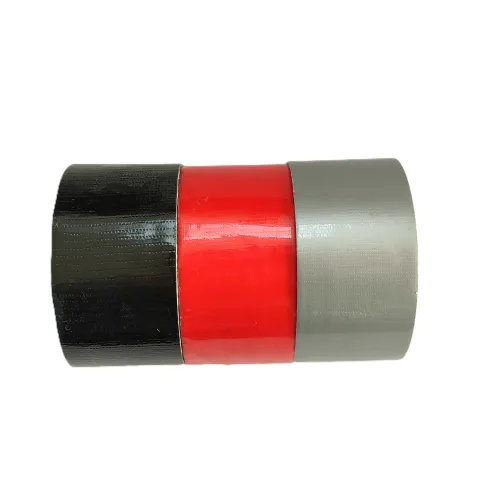
First off, let's understand what duct tape is. Duct tape is a super - versatile tape that's been around for ages. It's got a strong adhesive on one side and a tough cloth backing on the other. You can use it for all sorts of things, like fixing stuff around the house, making quick repairs, and yep, even on carpets. There's also Duct Tape for Windows, which shows just how many different applications this tape has.
Now, when it comes to using duct tape on carpet, there are a few factors that determine whether it'll cause the fibers to break. The first thing to consider is the type of carpet. Carpets come in all different materials, like nylon, polyester, wool, and more. Each material has its own level of durability and flexibility.

Nylon carpets are pretty tough. They're known for their strength and resistance to wear and tear. When you put duct tape on a nylon carpet, the chances of the fibers breaking are relatively low. The tape's adhesive might stick well to the carpet, but as long as you remove it carefully, the nylon fibers can usually handle the stress.
Polyester carpets are also quite durable, but they're a bit more sensitive to heat and chemicals. If the duct tape you're using has a strong adhesive that contains chemicals, it could potentially damage the polyester fibers over time. And when you try to remove the tape, you might end up pulling some fibers out if you're not gentle.
Wool carpets are a whole different story. Wool is a natural fiber that's soft and luxurious, but it's also more delicate. The adhesive on duct tape can bond strongly to wool fibers, and when you peel the tape off, there's a higher risk of the fibers breaking. The texture of wool is also more uneven compared to synthetic fibers, which means the tape might not adhere evenly, and that can lead to more stress on individual fibers.
Another important factor is the quality of the duct tape. Not all duct tapes are created equal. Some tapes have a stronger adhesive than others. For example, Duct Tape 50mm X 50m might have a different adhesive strength compared to a smaller roll of tape. A tape with a very strong adhesive is more likely to cause fiber breakage because it creates a stronger bond with the carpet.
The way you apply and remove the duct tape also plays a huge role. If you press the tape down too hard when applying it, you're increasing the chances of the fibers getting compressed and potentially damaged. And when it's time to remove the tape, if you yank it off quickly, you're putting a lot of stress on the fibers all at once, which can cause them to break. It's always better to remove the tape slowly at a 45 - degree angle. This distributes the stress more evenly across the fibers and reduces the risk of breakage.
Let's talk about some real - world scenarios. Say you've spilled something on your carpet, and you want to use duct tape to cover the stain temporarily. You apply the tape carefully, making sure it's smooth and doesn't have any air bubbles. When it's time to remove the tape, you take your time and slowly peel it off. In this case, if you're using a good - quality tape on a relatively durable carpet, the chances of fiber breakage are pretty slim.
On the other hand, if you use duct tape to hold down a rug on a high - traffic area of your carpet, the constant movement and friction can put extra stress on the fibers. The tape might start to lift at the edges, and when you try to re - stick it or remove it, you're more likely to cause fiber breakage.
So, does duct tape on carpet always cause the fibers to break? The answer is no. But there are definitely risks involved, especially if you're not careful. If you're going to use duct tape on your carpet, here are some tips to minimize the risk:
- Test the tape on a small, hidden area of the carpet first. This way, you can see how the carpet reacts to the tape's adhesive without risking damage to a large visible area.
- Choose a duct tape with a medium - strength adhesive. You don't need the strongest tape on the market for most carpet applications.
- Apply the tape gently. Don't press down too hard, and make sure it's evenly placed on the carpet.
- When it's time to remove the tape, use a hair dryer on a low - heat setting to warm up the adhesive. This makes the tape easier to remove and reduces the stress on the fibers.
- Pull the tape off slowly at a 45 - degree angle.
As a supplier of Duct Tape for Carpet, I know that there are many situations where using duct tape on carpet can be a great solution. Whether you're making a quick repair or need to hold something in place temporarily, duct tape can come in handy. But it's important to use it responsibly to avoid damaging your carpet.
If you're in the market for duct tape for your carpet or other applications, we've got a wide range of products to choose from. Our tapes are designed to be strong but also gentle on different materials. We understand the importance of quality and customer satisfaction, and we're always here to help you find the right tape for your needs.
If you're interested in learning more about our duct tape products or have any questions about using duct tape on carpet, feel free to reach out. We're happy to have a chat and discuss your specific requirements. Whether you're a homeowner looking for a quick fix or a business in need of bulk supplies, we can work with you to find the perfect solution.
In conclusion, while duct tape on carpet doesn't always cause the fibers to break, it's crucial to be aware of the potential risks and take the necessary precautions. By choosing the right tape, applying it correctly, and removing it carefully, you can use duct tape on your carpet without causing too much damage.
References
- Carpet and Rug Institute. (2023). Carpet Fiber Types and Their Characteristics.
- Tape Manufacturers Association International. (2023). Understanding Tape Adhesives.