

When it comes to fixing water leaks, one common question that often arises is: "Does duct tape stick well to wet surfaces when fixing water leaks?" As a supplier of Duct Tape Water Leak, I've encountered this query numerous times from customers, DIY enthusiasts, and professionals alike. In this blog post, I'll delve into the science behind duct tape adhesion on wet surfaces, share practical insights, and offer guidance on using duct tape effectively for water leak repairs.
Understanding Duct Tape Adhesion
Duct tape is a versatile and widely used adhesive tape known for its strength, durability, and ability to adhere to various surfaces. It typically consists of a cloth backing coated with a layer of adhesive, which provides the sticking power. The adhesive used in duct tape is designed to bond to dry, clean, and smooth surfaces effectively. However, when it comes to wet surfaces, the situation becomes more complex.
The adhesion of duct tape relies on the interaction between the adhesive molecules and the surface molecules. When the surface is dry, the adhesive can form strong bonds with the surface, creating a secure attachment. However, when the surface is wet, a layer of water molecules acts as a barrier between the adhesive and the surface, preventing the adhesive from making direct contact and forming strong bonds. As a result, the adhesion strength of duct tape on wet surfaces is significantly reduced compared to dry surfaces.
Factors Affecting Duct Tape Adhesion on Wet Surfaces
Several factors can influence the ability of duct tape to stick to wet surfaces when fixing water leaks. Understanding these factors can help you determine whether duct tape is a suitable solution for your specific situation and how to optimize its performance.

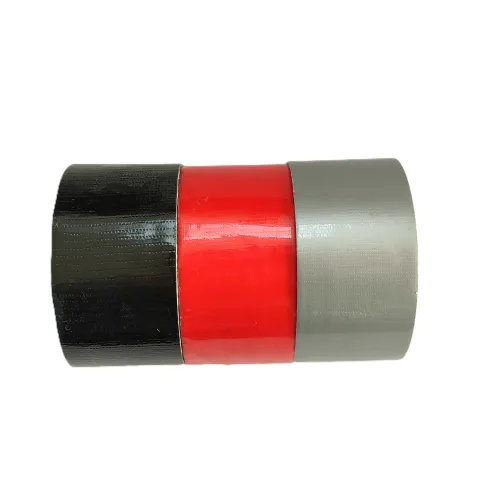
- Surface Material: The type of surface material plays a crucial role in determining the adhesion of duct tape on wet surfaces. Some materials, such as metal and plastic, have smooth and non-porous surfaces that are more likely to repel water and allow the adhesive to make better contact. On the other hand, porous materials like wood and concrete can absorb water, making it more challenging for the adhesive to bond effectively.
- Water Temperature: The temperature of the water on the surface can also affect the adhesion of duct tape. Cold water tends to make the adhesive more rigid and less flexible, reducing its ability to conform to the surface and form strong bonds. In contrast, warm water can soften the adhesive, making it more pliable and increasing its adhesion strength.
- Water Flow: The presence of water flow can further complicate the adhesion of duct tape on wet surfaces. A steady flow of water can wash away the adhesive or prevent it from making proper contact with the surface, making it difficult for the tape to stick. In such cases, it may be necessary to stop the water flow temporarily or use additional techniques to secure the tape.
- Duct Tape Quality: Not all duct tapes are created equal. The quality of the duct tape, including the type of adhesive used and the thickness of the backing, can significantly impact its adhesion performance on wet surfaces. High-quality duct tapes with strong adhesives and durable backings are generally more likely to provide better adhesion on wet surfaces compared to lower-quality tapes.
Practical Tips for Using Duct Tape on Wet Surfaces
While duct tape may not adhere as well to wet surfaces as it does to dry surfaces, there are several practical tips you can follow to improve its performance and increase the chances of a successful water leak repair.
- Prepare the Surface: Before applying the duct tape, it's essential to prepare the surface as much as possible. Use a dry cloth or paper towel to wipe away any excess water from the surface. If the surface is dirty or greasy, clean it with a mild detergent and water, then dry it thoroughly. This will help remove any contaminants that could interfere with the adhesion of the tape.
- Choose the Right Duct Tape: As mentioned earlier, the quality of the duct tape can make a significant difference in its adhesion performance on wet surfaces. Look for a high-quality duct tape specifically designed for use in wet or damp conditions. These tapes often have a stronger adhesive and a more durable backing, which can provide better adhesion and withstand the effects of water.
- Apply Pressure: When applying the duct tape to the wet surface, apply firm pressure to ensure good contact between the adhesive and the surface. Use a roller or your fingers to press the tape firmly onto the surface, starting from one end and working your way to the other. This will help squeeze out any air bubbles and ensure that the adhesive makes maximum contact with the surface.
- Overlap the Tape: To create a more secure seal and prevent water from seeping through the edges of the tape, overlap the tape by at least 1-2 inches when applying it to the wet surface. This will help create a continuous barrier and increase the effectiveness of the repair.
- Reinforce the Repair: In some cases, it may be necessary to reinforce the duct tape repair to ensure its long-term durability. You can do this by applying additional layers of duct tape over the initial repair or using other materials, such as fiberglass tape or epoxy, to strengthen the bond.
When Duct Tape May Not Be the Best Solution
While duct tape can be a useful tool for temporary water leak repairs, there are situations where it may not be the best solution. Here are some cases where you may want to consider alternative methods:
- Large or Severe Leaks: If the water leak is large or severe, duct tape may not be able to provide a permanent or reliable solution. In such cases, it's best to consult a professional plumber who can assess the situation and recommend the appropriate repair method.
- High-Pressure Water Systems: Duct tape may not be able to withstand the high pressure of water in some systems, such as plumbing pipes or water heaters. Using duct tape in these situations can lead to further damage or failure of the repair. It's important to use appropriate materials and techniques designed for high-pressure applications.
- Long-Term Repairs: Duct tape is generally considered a temporary fix for water leaks. If you're looking for a long-term solution, it's best to address the underlying cause of the leak and make a proper repair using appropriate materials and techniques.
Other Applications of Duct Tape
In addition to fixing water leaks, duct tape has a wide range of other applications. Here are some examples:
- Duct Tape for Windows: Duct tape can be used to seal windows during the winter months to prevent drafts and reduce energy costs. It can also be used to repair broken window screens or hold loose window frames in place.
- Duct Tape for Carpet: Duct tape can be used to repair torn or frayed carpet edges, hold down loose carpet seams, or mark areas for carpet installation.
Conclusion
In conclusion, while duct tape may not stick as well to wet surfaces as it does to dry surfaces, it can still be a useful tool for temporary water leak repairs in certain situations. By understanding the factors that affect duct tape adhesion on wet surfaces and following the practical tips outlined in this blog post, you can increase the chances of a successful repair. However, it's important to remember that duct tape is generally considered a temporary fix, and for long-term or severe water leak issues, it's best to consult a professional.
If you're interested in purchasing high-quality duct tape for water leak repairs or other applications, I encourage you to reach out to us for more information. We're a leading supplier of Duct Tape Water Leak products and can provide you with the right tape for your needs. Contact us today to start a discussion about your requirements and explore how our products can help you solve your water leak problems.
References
- "Adhesion Science and Technology," by K. L. Mittal
- "Handbook of Adhesive Technology," by A. Pizzi and K. L. Mittal
- "Duct Tape: A Comprehensive Guide," by DIY Enthusiast Magazine