

Hey there! As a BOPP film supplier, I've seen my fair share of static electricity issues with BOPP film. Static can be a real pain in the neck, causing all sorts of problems like dust attraction, film sticking together, and even electrical shocks. But don't worry, I've got some tips and tricks to help you handle static electricity on BOPP film like a pro.
Understanding Static Electricity on BOPP Film
First things first, let's talk about what causes static electricity on BOPP film. Static electricity is generated when two materials come into contact and then separate. When BOPP film is unwound from a roll, for example, the friction between the layers of film can create an imbalance of electrons, resulting in a build-up of static charge. This static charge can then attract dust and other particles, making the film look dirty and reducing its visual appeal.
Another problem with static electricity on BOPP film is that it can cause the film to stick together. This can make it difficult to separate the layers of film during processing, leading to production delays and increased waste. In some cases, the static charge can even be strong enough to cause electrical shocks, which can be dangerous for workers.
Tips for Handling Static Electricity on BOPP Film
Now that we understand what causes static electricity on BOPP film, let's talk about some ways to handle it. Here are some tips and tricks that I've found to be effective:
1. Use an Anti-Static Agent
One of the most effective ways to reduce static electricity on BOPP film is to use an anti-static agent. Anti-static agents are chemicals that are added to the film during the manufacturing process to reduce the build-up of static charge. There are several types of anti-static agents available, including topical coatings and internal additives.
Topical coatings are applied to the surface of the film after it has been manufactured. These coatings work by creating a thin layer of conductive material on the surface of the film, which helps to dissipate the static charge. Internal additives, on the other hand, are added to the polymer resin during the manufacturing process. These additives work by migrating to the surface of the film and creating a conductive layer.

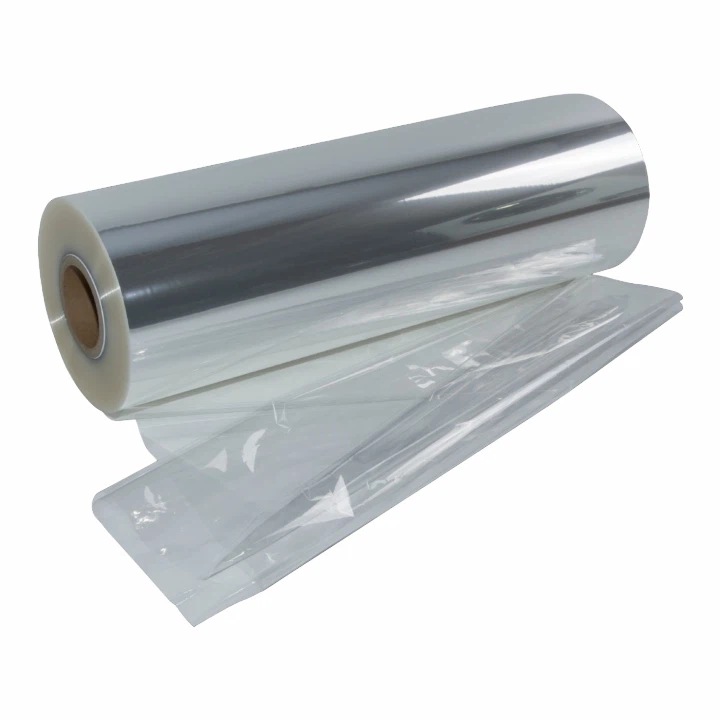
When choosing an anti-static agent, it's important to consider the specific requirements of your application. Some anti-static agents are more effective in high-humidity environments, while others are better suited for low-humidity environments. You should also consider the type of BOPP film you are using, as some films may be more prone to static build-up than others.
2. Control the Humidity
Another way to reduce static electricity on BOPP film is to control the humidity in the environment. Static electricity is more likely to build up in dry environments, so increasing the humidity can help to reduce the static charge. You can do this by using a humidifier or by spraying water on the film.
However, it's important to be careful when increasing the humidity, as too much moisture can also cause problems. Excess moisture can cause the film to become sticky or to develop mold and mildew. You should aim to maintain a humidity level of between 40% and 60%.
3. Ground the Equipment
Grounding the equipment used to process BOPP film is another effective way to reduce static electricity. When equipment is grounded, it provides a path for the static charge to flow to the ground, which helps to prevent the build-up of static charge.
To ground the equipment, you can use a grounding cable or a grounding strap. Make sure that the grounding cable or strap is properly connected to the equipment and to a grounded electrical outlet. You should also regularly check the grounding connection to make sure that it is working properly.
4. Use Static Elimination Bars
Static elimination bars are devices that are used to neutralize the static charge on BOPP film. These bars work by emitting ions, which are attracted to the static charge on the film. When the ions come into contact with the static charge, they neutralize it, reducing the static charge on the film.
Static elimination bars can be installed on the equipment used to process BOPP film, such as unwinders, slitters, and printers. They are available in a variety of sizes and configurations, so you can choose the one that is best suited for your application.
5. Store the Film Properly
Proper storage of BOPP film is also important for reducing static electricity. When storing the film, make sure that it is kept in a cool, dry place. Avoid storing the film in direct sunlight or in areas with high humidity.
You should also make sure that the film is stored in a way that prevents it from rubbing against other surfaces. This can help to reduce the build-up of static charge. For example, you can store the film on a pallet or in a storage rack that is lined with a non-conductive material.
Our BOPP Film Products
As a BOPP film supplier, we offer a wide range of BOPP film products that are designed to meet the specific needs of our customers. Our products include Clear BOPP Film, BOPP Film Jumbo Roll without Glue, and BOPP Film for Bag Packaging.
Our BOPP film products are made from high-quality materials and are manufactured using the latest technology. We also offer a variety of anti-static options to help our customers reduce static electricity on their BOPP film. Whether you need a clear film for packaging or a jumbo roll for industrial applications, we have the solution for you.
Contact Us for Purchasing and Negotiation
If you're interested in purchasing our BOPP film products or have any questions about handling static electricity on BOPP film, please don't hesitate to contact us. Our team of experts is always available to help you find the right solution for your needs. We look forward to working with you!
References
- "Static Electricity and Its Control in the Plastics Industry." Society of Plastics Engineers, 2019.
- "Anti-Static Agents for Plastics." Plastics Additives and Modifiers Handbook, 2017.
- "Static Elimination in the Packaging Industry." Packaging World, 2020.