

In the packaging industry, BOPP (Biaxially Oriented Polypropylene) film stands out as a versatile and widely used material. Among its various types, matte and glossy BOPP films are two popular choices, each with distinct characteristics that make them suitable for different applications. As a seasoned BOPP film supplier, I've witnessed firsthand how these two types of films cater to diverse customer needs. In this blog, I'll delve into the differences between matte and glossy BOPP films, shedding light on their unique features, advantages, and ideal use - cases.
Appearance
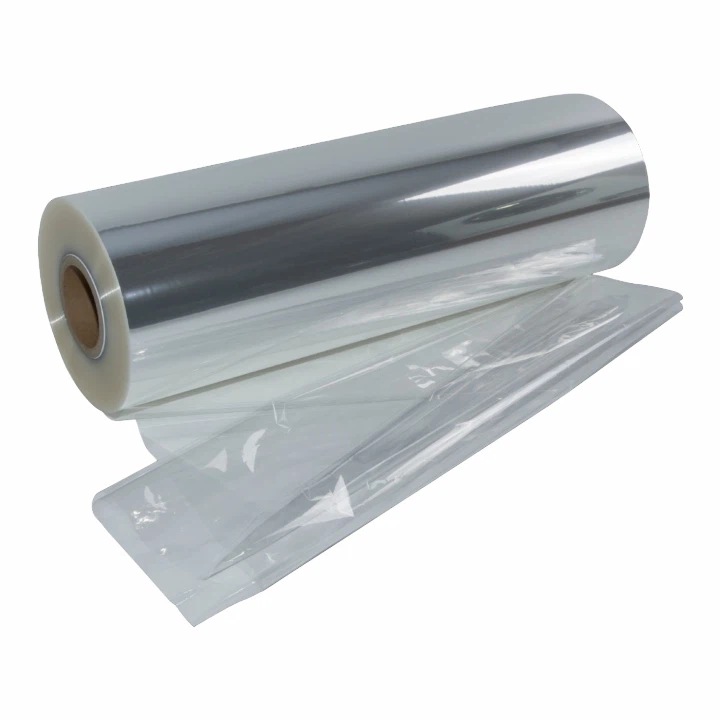
The most obvious difference between matte and glossy BOPP films lies in their appearance. Glossy BOPP film, as the name suggests, has a shiny, reflective surface that imparts a high - end, eye - catching look to the packaged product. When light hits the glossy film, it reflects in a specular manner, creating a mirror - like effect. This makes it perfect for products that require a glamorous and attention - grabbing presentation, such as high - end cosmetics, luxury chocolates, or premium consumer electronics.
On the other hand, matte BOPP film has a dull, non - reflective finish. It diffuses light rather than reflecting it directly, resulting in a soft, muted appearance. Matte film gives a more sophisticated and understated look, which is often favored for products that aim for a classic or elegant aesthetic. For instance, books, stationery, and high - end wine labels often use matte BOPP film to convey a sense of quality and refinement.

Surface Properties
The surface properties of matte and glossy BOPP films also vary significantly. Glossy BOPP film has a smooth surface, which not only contributes to its shiny appearance but also provides excellent printability. Inks adhere well to the smooth surface, allowing for sharp, vibrant, and high - resolution printing. This makes it a top choice for applications where detailed graphics and vivid colors are essential, such as product labels and promotional packaging.
Matte BOPP film, however, has a micro - rough surface. This surface texture gives it a unique tactile feel, which can enhance the user experience. When a consumer touches a product packaged with matte BOPP film, they can feel the difference compared to a glossy one. Moreover, the micro - rough surface can help hide fingerprints and scratches, which is a significant advantage for products that are handled frequently.
Light Transmission and Hiding Power
Glossy BOPP film typically has high light transmission. It allows a large amount of light to pass through, which can be beneficial for products that need to be visible through the packaging, like fresh produce or transparent food items. The high light transmission also enhances the brightness and vividness of the printed graphics on the film.
Matte BOPP film, in contrast, has lower light transmission. It can act as a light diffuser, reducing glare and providing a more even illumination of the packaged product. This property is useful for products that are sensitive to light, such as photosensitive chemicals or certain types of food. Additionally, matte film can offer better hiding power, which means it can cover up imperfections on the product or the substrate beneath it more effectively.
Durability and Resistance
In terms of durability, both matte and glossy BOPP films are quite robust. They are resistant to water, grease, and most chemicals, which makes them suitable for a wide range of packaging applications. However, there are some differences in their resistance to scratches and abrasion.
Glossy BOPP film, due to its smooth surface, is more prone to showing scratches. A minor scratch on a glossy film can be very noticeable, which may affect the overall appearance of the packaged product. On the other hand, matte BOPP film's micro - rough surface can better conceal scratches. The texture of the matte film helps to blend in small scratches, making it more suitable for products that may be subject to rough handling during transportation or storage.
Applications
The differences in appearance, surface properties, light transmission, and durability of matte and glossy BOPP films lead to distinct application areas.
Glossy BOPP film is commonly used in applications where visual appeal and high - quality printing are crucial. It is widely used for BOPP Film for Bag Packaging, such as shopping bags, gift bags, and food packaging bags. The shiny surface of the film makes the products inside look more attractive and can increase their marketability. It is also a popular choice for BOPP Film for Coating BOPP Tape, as the smooth surface allows for easy coating and provides a strong adhesive bond.
Matte BOPP film is often used in applications where a more subdued look and better scratch resistance are required. It is frequently used for book covers, magazine covers, and high - end product labels. The sophisticated appearance of matte film can add value to these products. Additionally, BOPP Corona Film with a matte finish is sometimes used in applications where improved adhesion is needed, as the corona treatment can further enhance the surface properties of the matte film.
Cost Considerations
The cost of matte and glossy BOPP films can also vary. Generally, glossy BOPP film is more cost - effective to produce. The manufacturing process for glossy film is relatively straightforward, and the raw materials used are often less expensive. This makes it a popular choice for mass - market products where cost is a significant factor.
Matte BOPP film, on the other hand, may be slightly more expensive. The process of creating the micro - rough surface of the matte film requires additional steps and specialized equipment. However, the added cost can be justified for products that require a premium look and feel, as the unique properties of matte film can enhance the perceived value of the product.
Conclusion
In conclusion, matte and glossy BOPP films each have their own unique characteristics, advantages, and ideal applications. As a BOPP film supplier, I understand that choosing the right type of film depends on various factors, including the product's nature, the desired aesthetic, the printing requirements, and the budget. Whether you need a glamorous and eye - catching look with high - resolution printing or a sophisticated and understated finish with better scratch resistance, there is a BOPP film option for you.
If you're in the market for BOPP film and are unsure which type is best for your product, I'd be more than happy to assist you. Our team of experts can provide you with detailed information, samples, and guidance to help you make an informed decision. Contact us today to start a discussion about your BOPP film needs and explore how we can meet your specific requirements.
References
- Packaging World. "Understanding the Different Types of BOPP Films."
- Plastics Technology. "Properties and Applications of Biaxially Oriented Polypropylene Films."